
Muscle therapy helps in pain relief and tension; however, there are a lot of other benefits as well. In this blog post, we will discuss muscle therapy, muscle repair, muscle knots, the science behind them, and the benefits of muscle therapy beyond physical pain.
How Muscle Therapy in Wall, NJ, Helps Muscles Repair
To study what muscle therapy does at a cellular level, 11 young athletic men were taken and had them do hard exercise on a bike, really hard exercise, to the point of exhaustion.
Then one leg received a muscle therapy session, and the other was left alone for comparison. A biopsy was taken before exercise, straight after exercise, and then a couple of hours after the session.
Muscle Therapy for Pain Relief in Wall, NJ
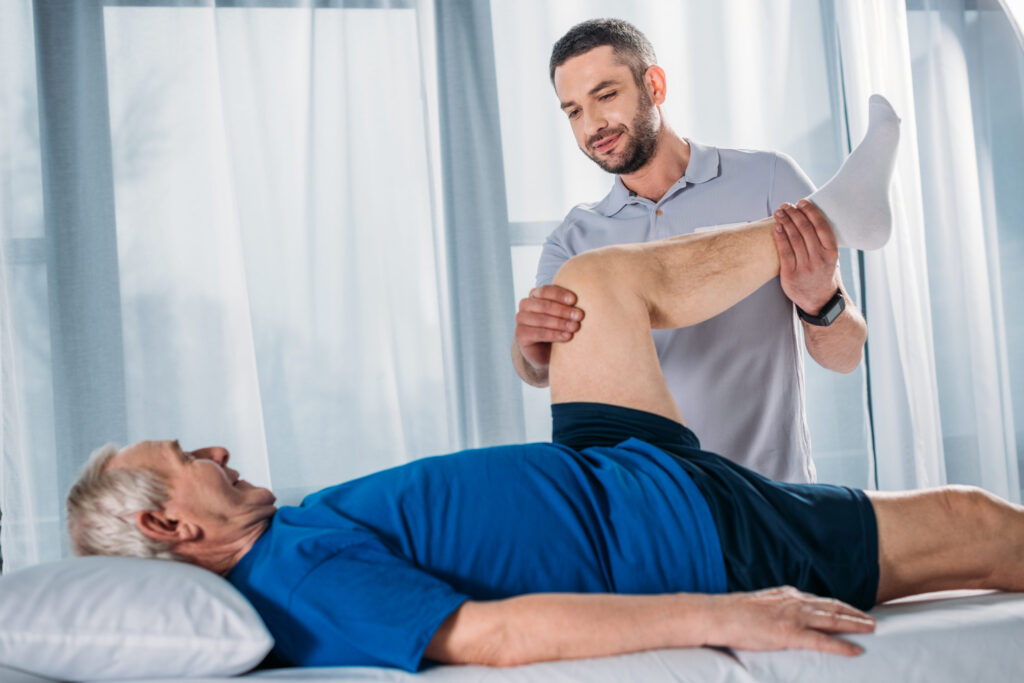
The muscle in the treated leg was healing faster than in the non-treated leg, because more mitochondria were being produced, which is a sign of repair. Inflammation markers were also lower in the treated leg two and a half hours after the session. Muscle therapy in Wall, NJ, reduces inflammation and replaces mitochondria, both of which help repair muscles more quickly after exercise.
Muscle Knots: What They Are and How Muscle Therapy Addresses Them
What Is a Muscle Knot
Somehow, if the muscle got a knot inside because of a chronic injury, it could be an acute injury, then it will form the tightening of the muscle fibre. Some part of the muscle fibre, for example, the shoulder, after working on the computer for a long time, might feel a bit sore. The contracted muscle has a higher tension than the normal muscle.
How Muscle Therapy Releases Knots
When pressure is applied, just like in Thai massage therapy, the knot is released. The tension on the muscle fibre releases, and once the thumb or hands are lifted off, people feel relaxed. After the pressure is released, blood flow can go through that area about two to three times as compared to before.
When the muscle fibre is tight, it blocks blood flow. Once the blockage is opened or released, blood flow can go through freely to that area, and people feel the released tension and reduced pain. The lack of blood flow is part of what causes the pain in the first place.
What Science Still Does Not Know About Knots
Not everyone agrees that knots are areas of tight contracted muscle causing pain by blocking blood flow. Some scientists think it might just be inflamed nerves making the area feel more sensitive, even though there is nothing more going on than some pain receptors unnecessarily firing. Others think knots might be entirely psychosomatic, only existing inside the head.
The reason scientists cannot untangle what muscle knots are is that they are so hard to study. Taking muscle biopsies of the neck muscles is not something researchers are keen on doing. But regardless of the cause, most people agree that the best way to deal with a knot is to treat it with muscle therapy.
To fix a knot, the muscle and tissue are warmed up first, then pressure is held on the knot for around eight seconds, and then strokes are done to get the blood flow back through it.
How Pressure Receptors Explain Why Muscle Therapy in Wall, NJ Works
We know that the pressure is what is key. Pressure receptors are longer and more insulated than pain receptors, so the message of pressure gets to the brain faster than the pain message. They call that the gate theory. The pressure receptor message gets to the brain faster than the pain message, and it closes the gate to the pain message.
When muscle therapy is received, the skin is being moved, and that in turn stimulates the pressure receptors under the skin. When the pressure receptors are stimulated, there is a message that goes to the brain and it specifically goes to the vagus, the largest nerve with the most pathways throughout the body.
When the vagus gets stimulated, it sends a message back to several organs, slows down the heart, helps digestion, and stimulates the GI tract. When the nervous system is slowed down, fewer stress hormones are emitted.
Muscle Therapy Benefits Beyond Physical Pain
Mental Health Benefits
There are chemicals associated with the skin being moved, like an increase in serotonin, which is the body’s anti-depressant and anti-pain neurotransmitter. That is one of the reasons there is less pain after muscle therapy and there is less depression, or people feel better after a session.
Benefits for Children
It has been studied in children with autism, attention deficit hyperactivity disorder, and children with all kinds of autoimmune problems, asthma, and diabetes. It basically helps children relax, and when children relax, the nervous system slows down and they are going to get more sleep. Ten or fifteen minutes of a session just before bedtime will really help them sleep.
Immune System Benefits
In a study involving a group of people with diabetes who have a very low immune system, muscle therapy was given two times per week and followed up for up to six weeks. Blood tests looked at white blood cells, and what was found was not just that pain had been relieved but that the immune system had been boosted. The results hint that muscle therapy can reduce the amount of poor-quality immune cells in older people, boosting their immune system.
Frequently Asked Questions
What conditions can muscle therapy in Wall, NJ help with?
Not only does muscle therapy ease pain caused by knots, but it has also been found that it can reduce muscle and back pain, as well as help with chronic pain like fibromyalgia and osteoarthritis.
Does muscle therapy in Monmouth County help with mental health?
There are chemicals associated with the skin being moved, like an increase in serotonin, which is the body’s anti-depressant and anti-pain neurotransmitter. That is one of the reasons that there is less depression, and people feel better after muscle therapy.
How does pressure during muscle therapy reduce pain?
The pressure receptors are longer, and they are more insulated than the pain receptors. So the message gets to the brain faster than the pain message, and it closes the gate to the pain message.