

Living along the Jersey Shore offers plenty of reasons to stay active. From morning walks along the Sea Girt boardwalk to afternoons on the beach, bike rides through neighboring communities and weekends spent exploring Monmouth County, there is always something to enjoy. Unfortunately, when sciatica or nerve pain enters the picture, even the simplest activities can suddenly become uncomfortable.
Perhaps you have noticed a sharp pain traveling from your lower back into your leg. Maybe your foot occasionally tingles, your hip feels uncomfortable after sitting, or getting out of your car has become more difficult than it used to be. These symptoms can be frustrating, especially when you cannot figure out what is causing them.
At Garrow Wellness Center in Sea Girt, NJ, we want to help you understand what your body is telling you. Our approach begins with identifying possible causes of your discomfort and exploring treatment options appropriate for your individual needs. With chiropractic care, acupuncture, massage therapy and physical therapy available, we offer several ways to address musculoskeletal discomfort and support your recovery.
Whether you are hoping to return to your favorite exercise routine, enjoy longer walks or simply get through your workday more comfortably, our team welcomes the opportunity to help you explore your options.
What Exactly Is Sciatica?
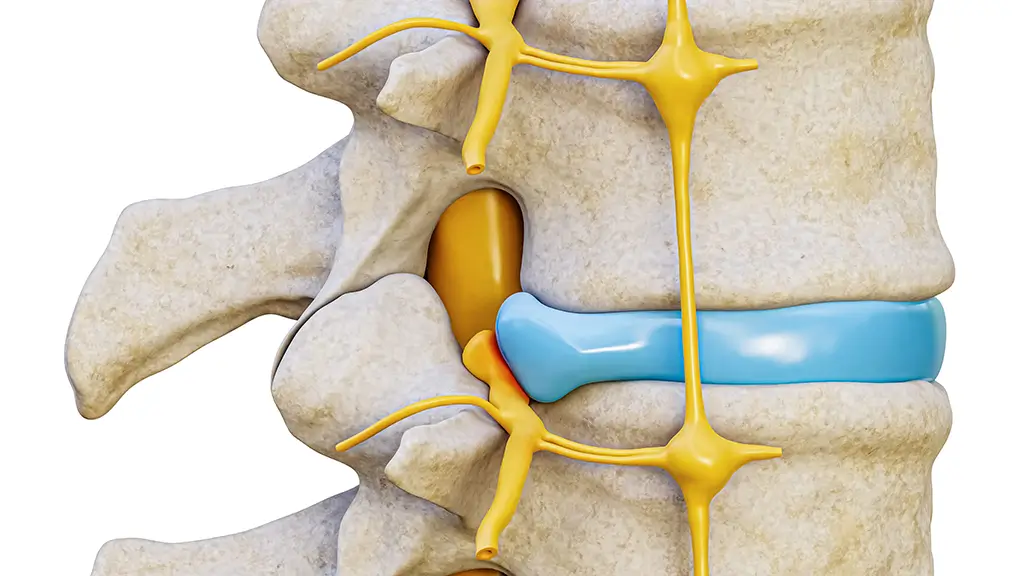
Sciatica is a term used to describe symptoms that develop when the sciatic nerve or the nerve roots that contribute to it become irritated or compressed. This large nerve begins in the lower spine and extends through the buttocks and down each leg, providing important connections involved in movement and sensation. When something interferes with these nerve pathways, discomfort can appear in places that seem surprisingly far from the original problem. For example, an issue involving the lower spine may create pain in the buttock, thigh, calf or foot.
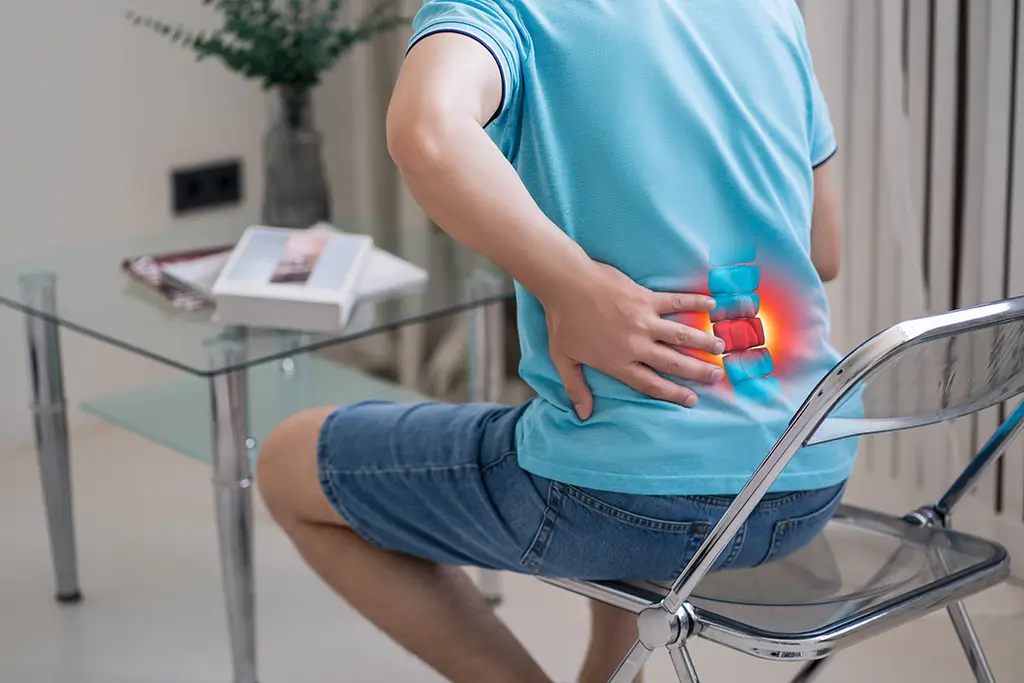
Sciatica does not feel the same for everyone. Some people experience a dull ache that becomes more noticeable after sitting for an extended period. Others describe a sudden, shooting sensation that makes them stop what they are doing. Numbness, tingling, burning and weakness may also occur. The discomfort commonly affects one side of the body. Symptoms may come and go, appear during certain movements or remain noticeable throughout the day. Understanding these patterns helps healthcare professionals determine whether the symptoms are consistent with sciatica or if another condition should be considered.
Why Does Sciatica Develop?
One of the most important things to know about sciatica is that it is not a disease by itself. It describes symptoms that can arise from several different physical conditions. A herniated disc is one possible cause. The discs between the bones of your spine provide cushioning and allow your back to move. When part of a disc pushes outward, it may irritate a nearby nerve root. This can create discomfort that travels beyond the lower back.
Spinal stenosis is another potential contributor. This condition involves narrowing within the spine, sometimes leaving less room for nearby nerves. Certain people experience symptoms that become more noticeable while standing or walking. Changes associated with aging can also affect spinal joints and discs. These changes do not automatically cause pain, but they can sometimes contribute to nerve irritation.
Other possible causes include spinal injuries, certain structural changes and conditions involving muscles near the sciatic nerve. Because several problems can produce similar sensations, determining the likely source of discomfort is an important part of selecting appropriate care.
Could Your Everyday Routine Be Making Things Worse?
Life in New Jersey can be busy. Between commuting, working, maintaining your home and enjoying everything the Shore has to offer, it is easy to overlook how your daily habits affect your back. Consider someone who spends several hours driving between Ocean County, NJ, Monmouth County, NJ and other New Jersey communities along the Garden State Parkway. Long periods of sitting may aggravate an existing back problem, particularly when symptoms are already associated with certain positions.
The same can happen to someone who works at a desk throughout the day. Staying in one position for extended periods may increase discomfort, while suddenly jumping into strenuous weekend activities can place additional demands on muscles and joints.
Even enjoyable activities can become challenging. Walking on uneven beach sand, lifting heavy coolers, gardening or playing recreational sports may aggravate an existing condition when your back is already sensitive. These activities do not necessarily cause sciatica, and avoiding movement altogether is rarely the answer. Understanding which positions and activities affect your symptoms can help guide practical adjustments and an appropriate recovery plan.
Recognizing the Difference Between Muscle Soreness and Nerve Pain
Have you ever finished a long day of yardwork and awakened with sore muscles the following morning? That familiar stiffness is often different from the sensations associated with nerve irritation. Ordinary muscle soreness generally stays closer to the area that was physically stressed. Nerve-related symptoms may travel along a particular pathway, creating discomfort in areas that were not directly injured.
For example, someone with sciatica might notice tingling in the calf even though the underlying problem involves the lower spine. Another person may experience numbness in part of the foot or a shooting sensation that appears when bending forward. The distinction matters because treating a sore muscle and addressing a compressed nerve may require different approaches. If symptoms are persistent, unusual or accompanied by weakness, a professional evaluation can help clarify what is happening.
Chiropractic Care for Sciatica and Lower Back Discomfort
Chiropractic care offers a conservative approach to certain musculoskeletal problems involving the spine and surrounding structures. At Garrow Wellness Center, chiropractic services can be considered when lower back discomfort, restricted movement or other musculoskeletal concerns accompany sciatic symptoms. An appropriate evaluation helps determine whether chiropractic treatment is suitable for the individual. Depending on the findings, care may include spinal manipulation, mobilization or other conservative techniques.
Some people with lower back pain experience modest improvements in pain and physical function with spinal manipulation. Research specifically involving sciatica is less conclusive, so treatment should be selected according to the patient’s condition rather than assuming every nerve problem will respond to an adjustment.

For our patients, the objective is to understand how their symptoms affect everyday movement and identify appropriate ways to address those limitations. Chiropractic care may also be considered alongside exercise-based rehabilitation when clinically appropriate.
Physical Therapy: Helping You Move With Greater Confidence
Imagine wanting to take a relaxing walk through Sea Girt but worrying that pain will begin halfway through. Or perhaps you have stopped exercising because you are concerned that certain movements will aggravate your symptoms. Physical therapy can help address the physical limitations that sometimes accompany sciatica. Rather than relying exclusively on passive treatment, rehabilitation encourages patients to participate in improving their mobility, strength and everyday function.
A personalized physical therapy program may incorporate exercises for the lower back, hips and surrounding muscles. Depending on the condition, treatment may also address flexibility, balance, body mechanics and the way you perform everyday activities.
The right exercises will vary. A movement that feels comfortable for one person may aggravate another person’s symptoms, which is why individualized guidance is valuable. The goal is to help patients build confidence in their movement while working toward meaningful improvements in daily activities. Whether that means returning to recreational sports, spending more time outdoors or comfortably completing household chores, rehabilitation can be tailored to the activities that matter most.
Acupuncture: Another Option for Managing Discomfort
For patients interested in exploring additional approaches to pain management, acupuncture may be worth discussing. Acupuncture involves the placement of very thin needles at selected points on the body. It has been studied for several pain conditions, including lower back discomfort and sciatica.
Some patients appreciate having a treatment option that does not involve medication. Others may be interested in incorporating acupuncture alongside an existing rehabilitation program. At Garrow Wellness Center, our goal is to help patients explore appropriate wellness services while keeping their comfort, health history and treatment goals in mind.
Massage Therapy: Addressing the Muscles Surrounding Your Discomfort
Sciatica does not always involve nerve symptoms alone. When your back hurts, you may unconsciously change the way you sit, stand or walk. Over time, the muscles surrounding your lower back, hips and buttocks may become uncomfortable as well. Massage therapy can help address accompanying muscle tension and soft tissue discomfort. Through hands on techniques, a massage therapist works with muscles and surrounding tissues according to the patient’s needs and comfort level.
For someone experiencing muscular tightness alongside lower back discomfort, massage may provide short term symptom relief and relaxation. However, massage does not correct every underlying cause of sciatica, such as a herniated disc or narrowing within the spine. This is why massage is often considered as part of a broader treatment plan rather than a replacement for appropriate medical evaluation or rehabilitation. Research supports possible short term benefits for some types of back pain, although results vary.
When used appropriately, massage therapy may help patients feel more comfortable while they work toward improving their overall movement and function.
Why One Treatment Does Not Fit Everyone
Two people can experience nearly identical symptoms and still have very different needs. Consider a Sea Girt resident who develops leg discomfort after spending long hours sitting at work. Now consider someone who experiences similar symptoms after a sports injury. Although both may describe shooting pain or tingling, the contributing factors and appropriate treatment plans may be different. One person may benefit primarily from a structured physical therapy program. Another may be an appropriate candidate for chiropractic care. Acupuncture or massage therapy may also be considered when their potential benefits fit the individual’s circumstances.
Having several wellness services available creates opportunities to consider different approaches without assuming every patient requires every treatment. At Garrow Wellness Center, we believe your symptoms, physical limitations and personal goals should help guide the conversation. Our team welcomes the opportunity to discuss your concerns and determine which available services may be appropriate for you.

Small Changes That May Help You Stay Active
When sciatica makes movement uncomfortable, it can be tempting to spend the entire day resting. Although temporary activity modifications may be appropriate, prolonged inactivity is not generally recommended for uncomplicated sciatica.
Gentle movement, comfortable walking and gradual participation in normal activities may be helpful, depending on the cause and severity of your symptoms. The important thing is to avoid forcing movements that significantly aggravate pain or produce worsening neurological symptoms.
For Jersey Shore residents, that might mean choosing a shorter boardwalk walk instead of immediately returning to a long beach outing.
Someone who works at a desk might benefit from changing positions periodically rather than sitting continuously for several hours. If you enjoy gardening, golfing, cycling or recreational sports, a healthcare professional can help you determine how to modify activities while recovering. There is no universal exercise routine that works for every person with sciatica. Individualized guidance can help you identify appropriate activities and gradually work toward your normal routine.
When Is Nerve Pain a Reason to Seek Medical Attention?
Occasional discomfort does not always indicate a serious problem. However, pain that persists, repeatedly returns or begins interfering with normal activities deserves attention. An evaluation is especially important when symptoms include numbness, tingling or weakness. These changes can help healthcare professionals determine whether additional testing or medical treatment may be necessary.
Certain symptoms require immediate medical attention. New loss of bladder or bowel control, numbness around the groin or saddle area, or severe or rapidly worsening leg weakness may indicate a serious neurological problem. Sudden symptoms following significant trauma also warrant urgent evaluation. Conservative wellness services can be useful for appropriately selected patients, but they are not substitutes for emergency medical care when warning signs are present.
Helping Monmouth County Residents Enjoy a More Active Lifestyle
One of the wonderful things about living along the Jersey Shore is having so many opportunities to enjoy the outdoors. Whether you prefer the beaches of Sea Girt, the boardwalk in Spring Lake, a morning in Manasquan or an afternoon exploring Point Pleasant, staying comfortable and mobile makes those experiences more enjoyable. Sciatica can interrupt those plans, but it does not mean you must permanently give up the activities you love.
For some patients, improvement may involve learning better ways to move and exercise. Others may benefit from conservative treatment intended to address accompanying lower back discomfort or muscular tension. Our goal at Garrow Wellness Center is to help you understand your options and make informed decisions about your care. We want you to feel comfortable asking questions, discussing your concerns and exploring a treatment approach that fits your individual needs.
Your First Step Toward Sciatica and Nerve Pain Relief
You should not have to spend every day wondering whether your back will hurt when you stand up or whether another wave of discomfort will travel down your leg. If sciatica or nerve pain is interfering with your work, exercise, sleep or favorite Jersey Shore activities, Garrow Wellness Center welcomes the opportunity to help you explore your options. Located in Monmouth County, NJ, our wellness center offers chiropractic care, acupuncture, massage therapy and physical therapy for patients seeking conservative approaches to appropriate musculoskeletal conditions.
Whether you live in Sea Girt, Spring Lake, Manasquan, Wall Township or another Monmouth County community, we invite you to discover how our wellness services may fit into your recovery.

Schedule your FREE Consultation at Garrow Wellness Center today! Tell us what you have been experiencing, ask questions about our services and take the first step toward understanding your discomfort. We would love to help you work toward feeling more comfortable, moving with greater confidence and getting back to enjoying everything life along the Jersey Shore has to offer!