
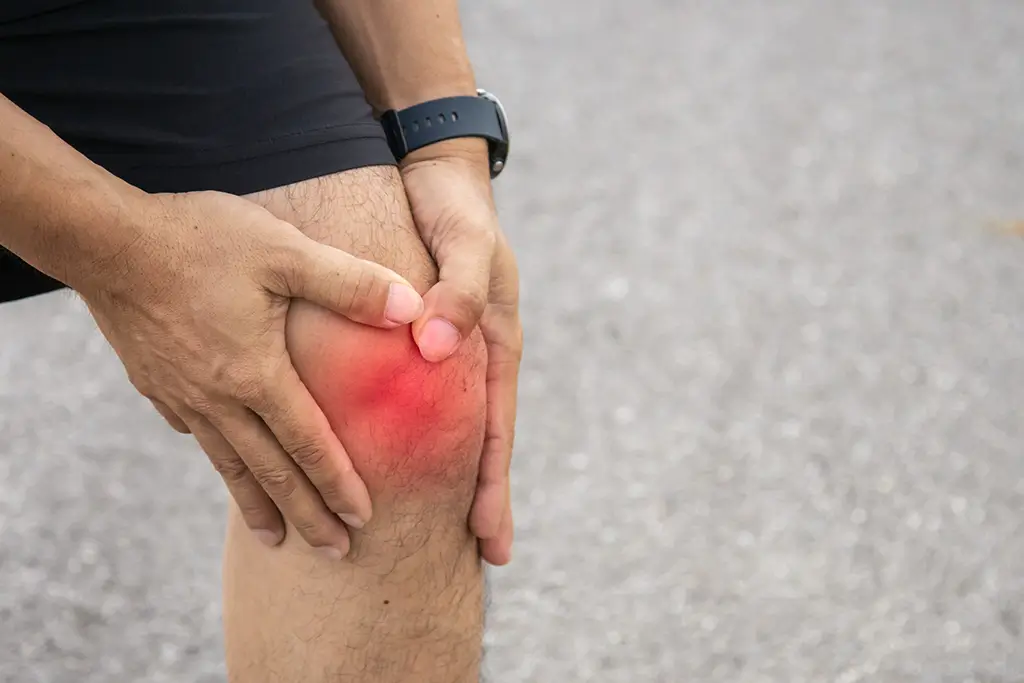
Joint and muscle pain can turn ordinary activities into uncomfortable challenges. Getting out of bed, climbing stairs, exercising, working at a desk, carrying groceries or simply enjoying a walk can become difficult when your body hurts every time you move. For some people, the discomfort develops suddenly following an injury. For others, stiffness and soreness gradually become part of everyday life.
We believe pain should be investigated rather than simply accepted. Joint and muscle discomfort can have many different causes; therefore, identifying the source of the problem is an important part of determining an appropriate approach to care. Our wellness center offers chiropractic care, acupuncture, massage therapy, muscle therapy and physical therapy, allowing patients to explore multiple conservative approaches to pain management and improved movement in one convenient location.
Instead of assuming every patient needs the same treatment, care can be tailored according to the individual’s symptoms, physical condition and goals. If aching muscles, stiff joints or recurring discomfort are interfering with your life, we invite you to discover what may be causing the problem and what can be done to help.
What Is Joint and Muscle Pain?
Muscle pain can affect a small, concentrated area or involve several parts of the body. It may feel like soreness, tightness, cramping, burning, tenderness or a deep ache. Muscles can become uncomfortable following strenuous activity, repetitive movements, injuries, prolonged sitting or changes in the way the body moves. Joint pain occurs where two or more bones meet, including areas such as the knees, hips, shoulders, elbows, wrists and ankles. Depending on the underlying problem, a painful joint may also feel stiff, tender or difficult to move.
The two can also be closely connected. When a joint is painful or has limited mobility, surrounding muscles may compensate by working differently. Likewise, tight or injured muscles can affect movement patterns and place additional stress on nearby joints. This is one reason simply identifying where something hurts does not necessarily explain why it hurts.

What Causes Joint and Muscle Pain?
There is no single cause of musculoskeletal pain. Sometimes the reason is obvious, such as soreness following an intense workout or pain after an accident. Other times, discomfort develops gradually and the person cannot identify one specific event that started it.
Overuse and repetitive motion are common contributors. Repeatedly performing the same movement at work, during sports or while exercising can place stress on muscles, tendons and joints. Even relatively minor physical stresses can become significant when they occur hundreds or thousands of times. Sprains, strains and sports injuries are another common source of discomfort. Muscles and connective tissues can become overstretched or injured, while sudden twisting, impact or awkward movement can affect a joint.
Age related changes may also contribute. Osteoarthritis, for example, involves changes within a joint that can result in pain, stiffness and decreased function. Joint discomfort should not automatically be dismissed as an unavoidable consequence of getting older, however. Understanding the reason for the symptoms can help determine appropriate strategies for maintaining mobility and function. Posture and prolonged sitting can create another set of problems. Hours spent looking at a computer or phone can contribute to muscle tension and altered movement patterns, particularly around the neck, shoulders and back.
Previous injuries, physically demanding occupations, inadequate conditioning and sudden increases in exercise can also play a role. In some cases, pain may be related to an underlying medical condition rather than a mechanical or musculoskeletal issue. Persistent, unexplained or severe pain therefore deserves proper evaluation rather than self diagnosis.
Common Areas Where Pain Develops
Joint and muscle discomfort can occur almost anywhere in the body. Some people experience one troublesome area, while others have symptoms involving several regions. Common problem areas include the neck and shoulders, upper and lower back, hips, knees, elbows, wrists, ankles and surrounding muscles. Athletes may develop discomfort after repetitive training, while someone who works at a computer may experience recurring neck, shoulder or back tension.
The way pain behaves can be just as important as its location. Does it occur only during movement? Is the area particularly stiff in the morning? Does sitting make it worse? Does exercise improve or aggravate it? Did the discomfort begin after an injury? These details can help a healthcare professional better understand what may be contributing to the problem.
Chiropractic Care for Joint and Muscle Pain
Chiropractic care takes a musculoskeletal approach to evaluating pain, mobility and physical function. Depending on the patient and diagnosis, chiropractic treatment may incorporate spinal or joint manipulation and other conservative techniques intended to address mobility and musculoskeletal symptoms.
This approach may be particularly relevant when joint or muscle discomfort occurs alongside back pain, neck pain, stiffness or restricted movement. Research reviewed by the National Center for Complementary and Integrative Health suggests that spinal manipulation may provide benefit for some people with low back pain, although effectiveness varies according to the condition and individual. Chiropractic treatment should always be selected based on an appropriate evaluation and the patient’s health history.

At Garrow Wellness Center, chiropractic care can also be coordinated with other available services when a broader approach is appropriate. The objective is not simply to chase the location where something hurts. Understanding movement, function and contributing physical factors can help create a more individualized strategy.
Acupuncture for Pain Management
Acupuncture provides another non drug option that some patients choose as part of their pain management plan. The technique involves inserting very thin needles at specific points on the body and has been studied for several musculoskeletal pain conditions. Research summarized by the National Center for Complementary and Integrative Health indicates that acupuncture may help certain types of pain, including back and neck pain and knee pain associated with osteoarthritis. Results vary, and acupuncture is not a universal solution for every cause of joint or muscle pain. For appropriate patients, however, it can provide another conservative option that may be incorporated into a broader wellness or rehabilitation program.
One advantage of having acupuncture available alongside chiropractic care, physical therapy and massage therapy is flexibility. Patients do not necessarily have to rely on one approach when their condition may benefit from different forms of care.
Massage Therapy for Tight and Sore Muscles
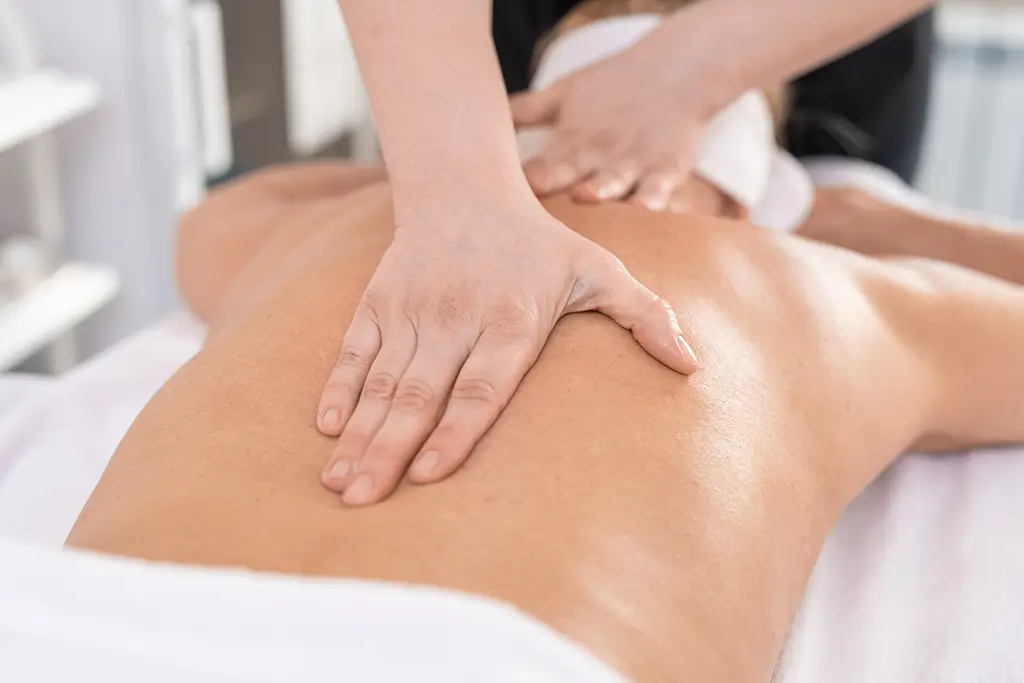
When muscles remain tight, sore or overworked, massage therapy may provide short term relief for certain musculoskeletal complaints while also offering relaxation. Massage therapists use hands on techniques to work with muscles and other soft tissues. Treatment may be adapted according to the patient’s comfort level and the area being addressed. Some people seek massage following physical activity, while others use it to address recurring muscle tension or as part of a broader rehabilitation and wellness program.
Research into massage and pain is mixed depending on the condition. Evidence suggests massage may provide short term improvement for some types of back pain, but it should not be presented as a cure for every form of chronic pain or arthritis.
At Garrow Wellness Center, massage can be considered alongside other services rather than viewed as an isolated treatment. This can be particularly useful when muscular tension accompanies another movement or musculoskeletal problem.
Physical Therapy to Restore Movement and Function
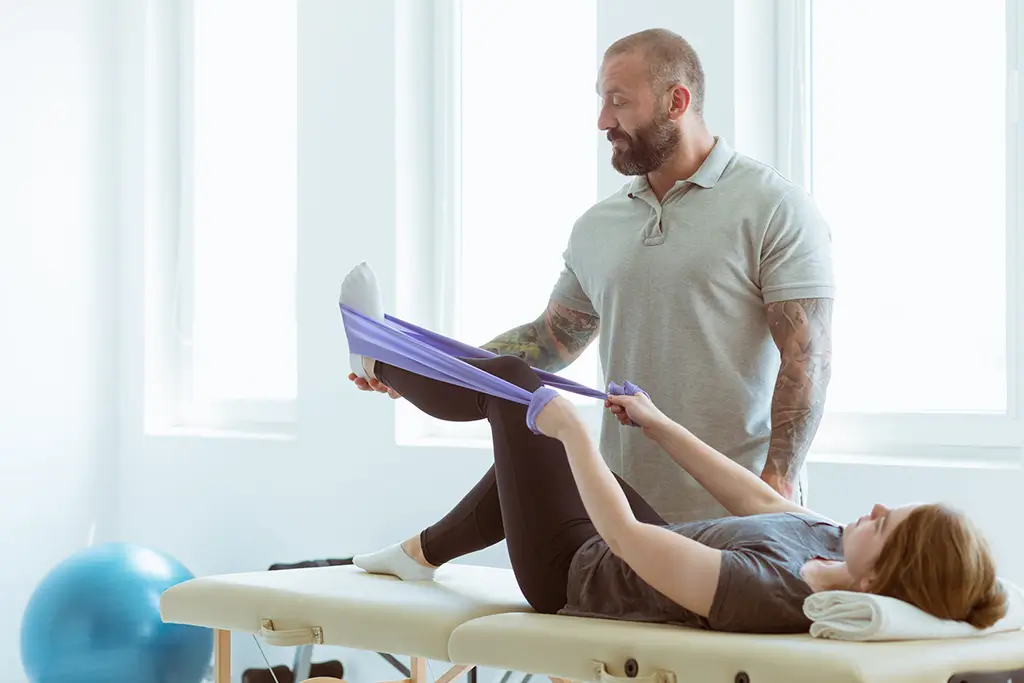
Reducing discomfort is important, but restoring the ability to move confidently can be equally important. Physical therapy is designed around movement and function. Depending on the condition, a physical therapy program may incorporate therapeutic exercise, mobility work, strengthening, stretching and other techniques to address physical limitations.
This can be particularly valuable following injuries or periods of inactivity. When pain causes someone to avoid movement, muscles can weaken and normal movement patterns may change. A properly designed rehabilitation program can progressively work on strength, mobility and function rather than asking the patient to simply “push through” discomfort. Garrow Wellness Center uses physical therapy for a variety of musculoskeletal and sports related concerns, including shoulder and rotator cuff problems, tendonitis, ligament strains, muscle tears and rehabilitation involving the knees and other joints.
The ultimate goal is not merely getting through today’s discomfort. It is helping patients work toward better movement and greater confidence in everyday activities.
Combining Wellness Services for a More Complete Approach
One of the advantages of a multidisciplinary wellness setting is that joint and muscle pain does not have to be viewed through a single lens. A patient experiencing restricted joint movement and muscle tightness, for example, may have different needs from someone rehabilitating a sports injury. Another patient may primarily need an exercise-based rehabilitation program, while someone else may be an appropriate candidate for acupuncture or chiropractic care.
That does not mean everyone needs every service. It means there are multiple options available, and care can be selected according to the individual’s condition and goals. Chiropractic care can focus on musculoskeletal function. Physical therapy can emphasize rehabilitation, mobility and strengthening. Massage therapy can address soft tissue tension, while acupuncture may offer an additional approach to managing certain types of pain.
This coordinated philosophy is central to the wellness approach at Garrow Wellness Center.
When Should Joint or Muscle Pain Be Evaluated?
Minor soreness after exercise or an unusually active day often improves with time. Pain that persists, repeatedly returns, limits normal movement or interferes with work, sleep, exercise or everyday activities deserves greater attention.
Certain symptoms also require prompt medical evaluation. Severe pain following significant trauma, a visibly deformed joint, inability to bear weight, substantial swelling or redness, fever accompanying a painful joint, unexplained weakness or numbness, loss of bowel or bladder control, chest pain or other sudden and concerning symptoms should not be treated as routine muscle soreness. When you are unsure about the source of ongoing pain, obtaining an appropriate evaluation is preferable to guessing.
Start Moving Toward Feeling Better
Living with joint or muscle pain can be frustrating, particularly when it keeps returning or prevents you from doing things you enjoy. The encouraging news is that many musculoskeletal problems can be approached conservatively, and there may be more than one treatment option available. We offer patients in Sea Girt, Monmouth County, Ocean County, NJ and surrounding New Jersey communities access to chiropractic care, acupuncture, massage therapy, muscle therapy and physical therapy within one wellness practice.
Whether your discomfort developed after an injury, accompanies an active lifestyle or has gradually become an everyday problem, we invite you to learn more about your options. Our team can evaluate your concerns, discuss the services that may be appropriate for your situation and develop an individualized approach designed around your needs.
You do not have to make joint and muscle pain your new normal. Contact Us and schedule a consultation to begin exploring a safer, more personalized path toward pain relief, improved mobility and getting back to the activities you enjoy.