

Most people walk away from a car accident thinking they’re fine. A little shaken up, sure. But nothing’s broken. The car absorbed most of the impact. That’s what you tell yourself anyway.
Then morning comes. You wake up and your neck feels like it’s locked in place. Can’t turn your head without moving your whole body.
Your back? Forget it. Feels like someone took a baseball bat to you while you slept. And here’s the thing: this happens to almost everyone after an accident, not just you.
Even small fender benders mess your body up. The impact knocks everything out of whack. But right after the crash, you’re running on pure adrenaline. You’re just relieved it wasn’t worse.
A day or two later though, the pain hits. What seemed like nothing at the scene becomes unbearable by midweek.
Did You Recently Get Into A Car Accident?
At Garrow Wellness Center in Sea Girt, we help people all over Monmouth County recover from car accidents. Patients come from Wall, Howell, Belmar, and surrounding areas. We’re not interested in just making you feel slightly better for a few days. The goal is real recovery. The kind where pain doesn’t follow you around for months or turn into something you’re dealing with years later.
The Injuries Nobody Warns You About
Whiplash. Everyone’s heard of it. Most people don’t take it seriously until they have it. Your head snaps forward and backward during impact. Fast. Your neck muscles and ligaments can’t handle that kind of force. They strain. They tear sometimes.
Sounds manageable until you’re living with it. The neck pain doesn’t quit. Headaches start at the base of your skull and work their way forward. Your shoulders get so tight they practically touch your ears. You try to relieve the tension but nothing works.
Those headaches are brutal for a lot of people. Over the counter pain meds barely touch them. You stop turning your head because the movement triggers more pain. Checking your blind spot while driving becomes this whole production. Looking over your shoulder at the grocery store hurts. Little things you never thought about suddenly require planning.
Back injuries from car accidents are no joke either. The collision compresses your spine. Discs shift out of position. Muscles you didn’t know existed start screaming. Lower back pain creeps up on you. Starts with some stiffness when you get out of bed. No big deal, right?
Wrong. It builds. Within a week, sitting at your desk is torture. Standing up from a chair takes effort. You have to think about it first. Bending over to tie your shoes makes you wince. Picking something up off the floor? You look for ways to avoid it.
Here’s what gets people: soft tissue injuries. They don’t show up on X-rays. Doctor takes images, says everything looks fine. But your knee feels wrong. Your shoulder won’t move like it should. These injuries affect muscles, tendons, and ligaments. They got torn or strained during the crash.
The inflammation doesn’t hit right away. Takes a few days to really set in. Then suddenly you’re hobbling around. Can’t lift your arm above your head. Stairs hurt more than they should. These limitations affect everything. Getting dressed becomes harder. Cooking dinner takes twice as long. You’re working around the pain constantly.
Get Treatment Early or Pay for It Later
Starting physical therapy within the first week changes your whole recovery. Here’s why. Your body immediately starts forming scar tissue in damaged areas. That tissue restricts how you move. Creates stiffness. Fresh scar tissue can be worked through. Old scar tissue? That’s stubborn. Takes way longer to break up.
People who wait end up regretting it. Recovery drags on for months instead of weeks. Your muscles compensate for injured spots. Throws everything out of balance. You develop pain in areas that weren’t even hurt in the accident.
Say you hurt your right shoulder. Without realizing it, you start favoring your left side. Now your left shoulder hurts too. Or you’re walking differently to avoid back pain. That messes up your hips. Then your knees start bothering you. Your body adapts to moving wrong, and correcting that becomes its own battle.
The worst part? Injuries can become chronic when you ignore them early. What should’ve taken 6 weeks to fix turns into something you’re managing a year later. Nobody wants to be that person still hurting from an accident that happened ages ago. But it happens all the time.
How Physical Therapy Actually Works
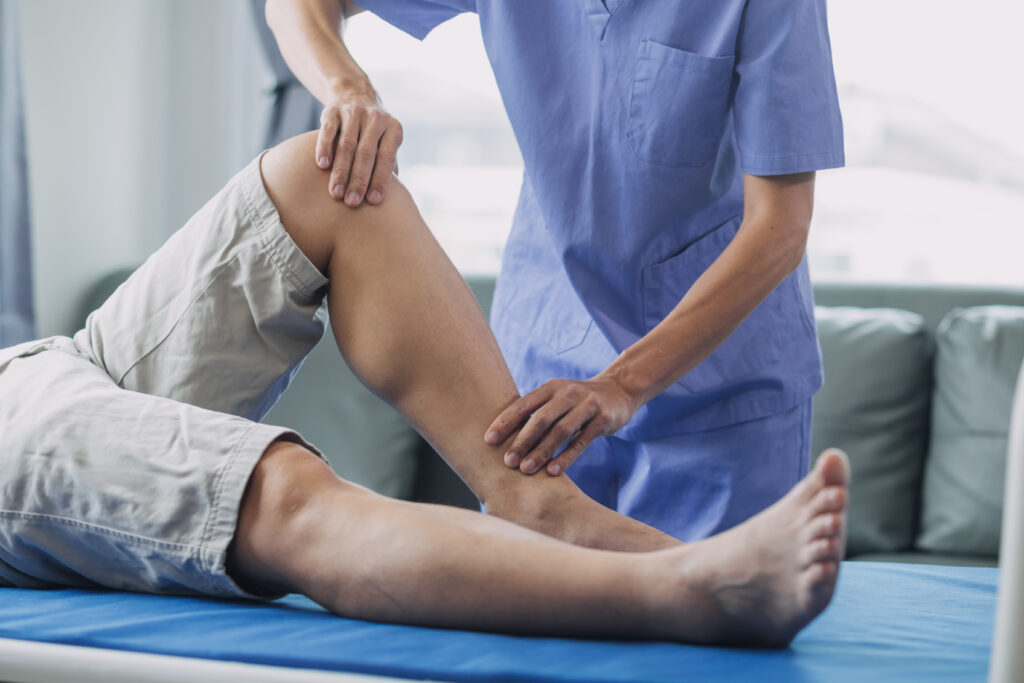
Physical therapy gets real results for accident injuries. Your therapist works directly on damaged muscles and joints with their hands. They warm up injured tissue. Reduce inflammation. Get things moving the way they’re supposed to.
Manual therapy is different from massage. It’s more targeted. Focused on specific problem areas instead of general relaxation. The therapist works on tight fascia, does joint manipulation, releases trigger points causing pain. Some of this feels intense. But it’s addressing the actual problem, not just making you feel relaxed for an hour.
You’ll get exercise programs designed for your specific injuries. Start simple with range of motion work. Nothing crazy at first. As your body heals, the exercises get more challenging. These aren’t random stretches or the stuff you remember from gym class. Every movement targets exactly what needs fixing.
Some days feel easy. You’ll wonder if you’re even doing anything. Other days you work harder. Depends where you are in healing. The exercises might seem boring or repetitive. Do them anyway. They’re keeping your progress moving forward.
Home exercises matter just as much as what happens during appointments. Maybe more. Ten minutes a day of the exercises your therapist assigns doubles how effective treatment is. People who skip homework take way longer to recover. You’re already investing time and money into this. Get the most out of it by following through.
We use heat lamps and electrical stimulation too. Sounds high tech but it’s straightforward. Electrical stimulation blocks pain signals. Keeps your muscles from weakening while you heal. Heat therapy increases blood flow to injured areas. Brings in nutrients and oxygen your body needs for repair. Combined with hands-on therapy and exercises, these tools speed everything up.
Choosing a Physical Therapist in Monmouth County
Experience with car accident injuries matters. A lot. Therapists who regularly treat accident victims know what to look for. They catch delayed symptoms before they become bigger problems. They understand which treatment combinations actually work for impact trauma.
Not all physical therapists have the same background. Some focus mainly on sports injuries. Others do mostly post-surgical rehab. You want someone who knows car accidents specifically. Someone who’s seen hundreds of whiplash cases and back injuries from collisions.
Location is bigger than people think. Driving 30 minutes each way gets old fast when your neck and back are killing you. Find a good therapist close to home in Wall, Howell, or Freehold. Makes sticking with treatment so much easier. Missing appointments because the drive hurts too much defeats the whole purpose.
Most car accident injuries need 2 or 3 sessions weekly for at least the first month. Consistency makes or breaks your results. Going once every couple weeks doesn’t cut it. Your body needs consistent support to heal properly. Otherwise tissue stiffens between sessions. You end up spinning your wheels instead of making real progress.
Think of it like watering a plant. Water it once a month and it dies. Same thing with therapy. Your body needs regular attention to heal right.
What Recovery Actually Looks Like
Your first appointment is all about assessment. The therapist checks your range of motion, strength, flexibility, movement patterns. Everything. Lots of people discover injuries they didn’t know they had during this initial visit. Your body compensates well enough to hide some damage until someone trained examines you.
They’ll test movements you haven’t tried since the accident. Might find limitations you didn’t realize existed. Can you rotate your shoulder all the way? How far can you bend forward without pain? Does your spine move the way it should? All of this matters.
Recovery takes time. Requires patience. No way around it. First few sessions focus on calming acute pain and inflammation. You’ll have good days and rough days. Some mornings you wake up feeling better. Other days it feels like you’re back where you started. That’s normal. Healing isn’t a straight line.
As symptoms settle down, your therapist introduces exercises that restore normal movement and rebuild strength. Progress happens week by week. Not overnight. Not even day by day really. You notice improvements when you look back over a couple weeks.
Do your home exercises. Can’t stress this enough. Makes treatment twice as effective. People who skip them take months longer to recover. You’re already doing the work. Finish it.
Car accident injuries get worse when ignored. Pain that seems manageable today turns into chronic problems that stick around for years. Get an assessment from a qualified physical therapist. Start recovering the right way now. Future you will be grateful you didn’t wait.